Kodo Cultivation: A Promising Traditional Crop for Sustainable Agriculture
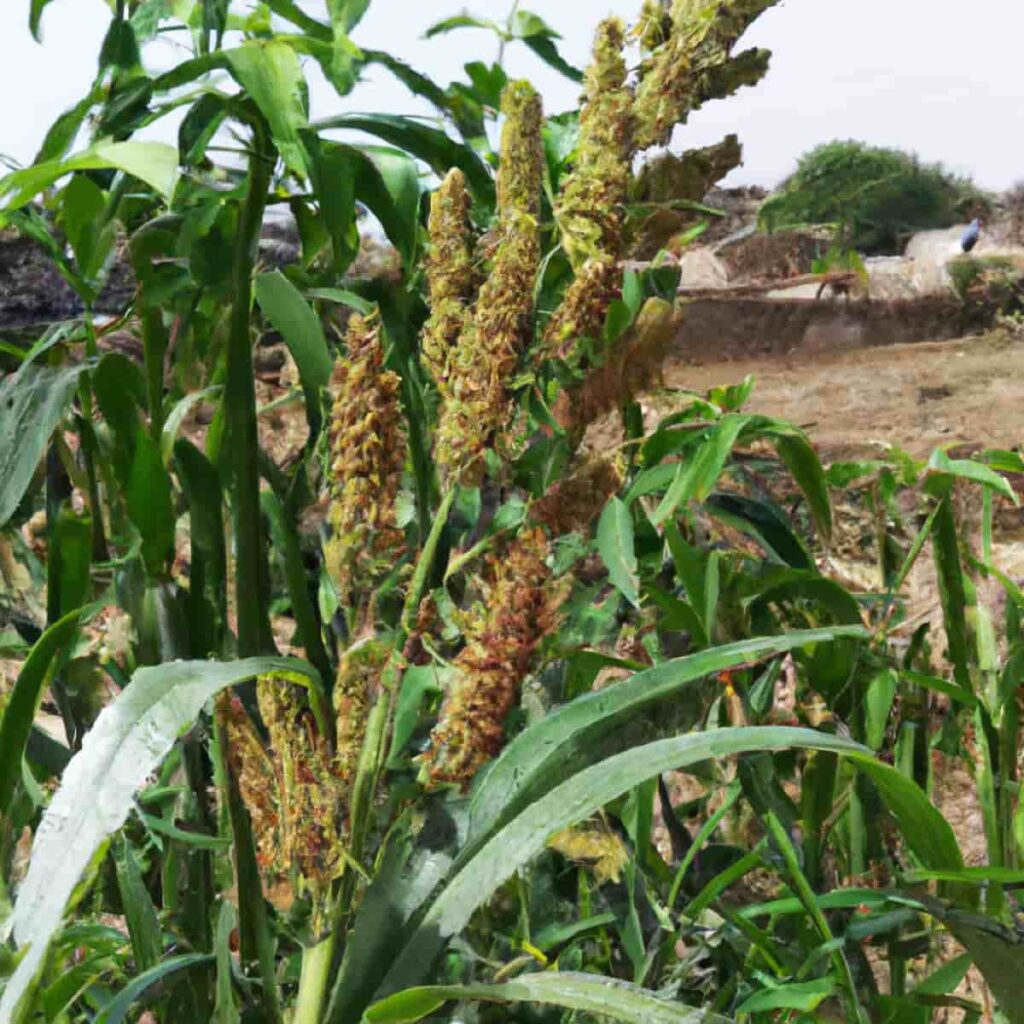
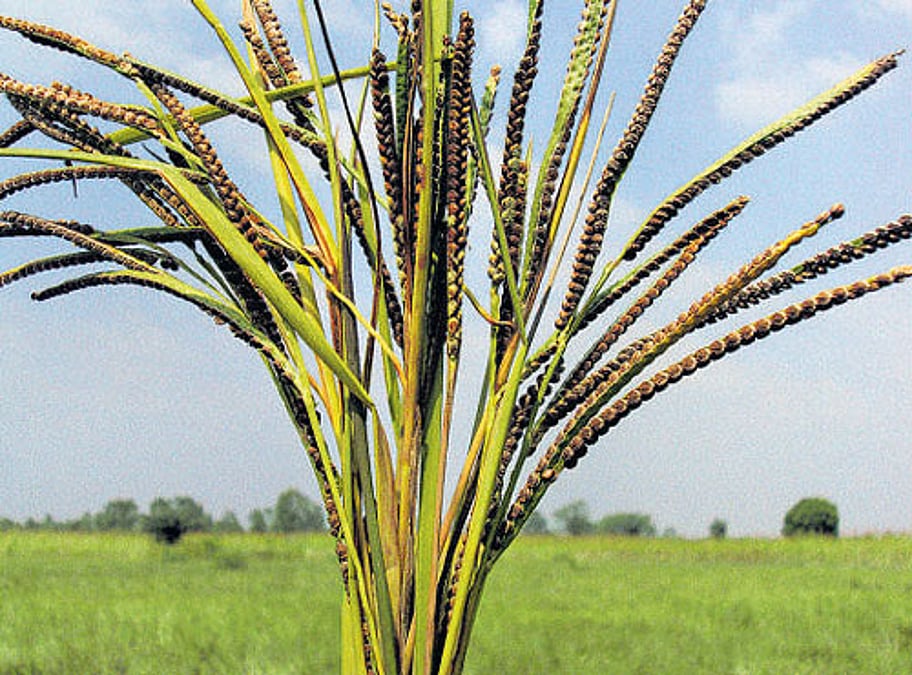
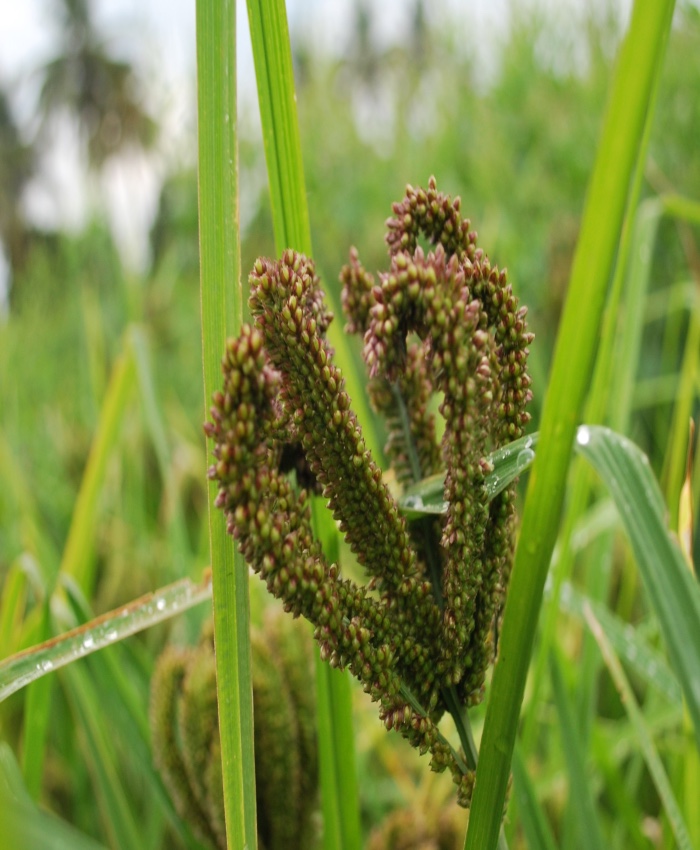
Kodo millet (Paspalum scrobiculatum), often referred to as "Kodo," is a lesser-known, traditional millet that has been grown in India and other parts of the world for centuries. Known for its resilience to harsh climatic conditions and low-input requirements, Kodo millet is gaining attention as a sustainable crop for the future. In this blog, we’ll explore the significance of Kodo cultivation, its benefits, challenges, and the steps required to promote its adoption.

Importance of Kodo Millet
Kodo millet is one of the oldest millet varieties cultivated primarily in regions with low rainfall, such as the Indian subcontinent, Africa, and Southeast Asia. It thrives in dry, marginal lands, making it ideal for areas where water scarcity and poor soil fertility are common. Unlike other cereal crops, Kodo millet requires minimal water, reducing the burden on groundwater resources.

Nutritional Value

Kodo millet is highly nutritious, rich in protein, dietary fiber, vitamins, and minerals. It contains essential amino acids, making it an excellent source of complete plant-based protein. It is also a good source of iron, calcium, magnesium, and B-vitamins, making it an ideal staple for regions prone to malnutrition and micronutrient deficiencies.
Resilience and Adaptability

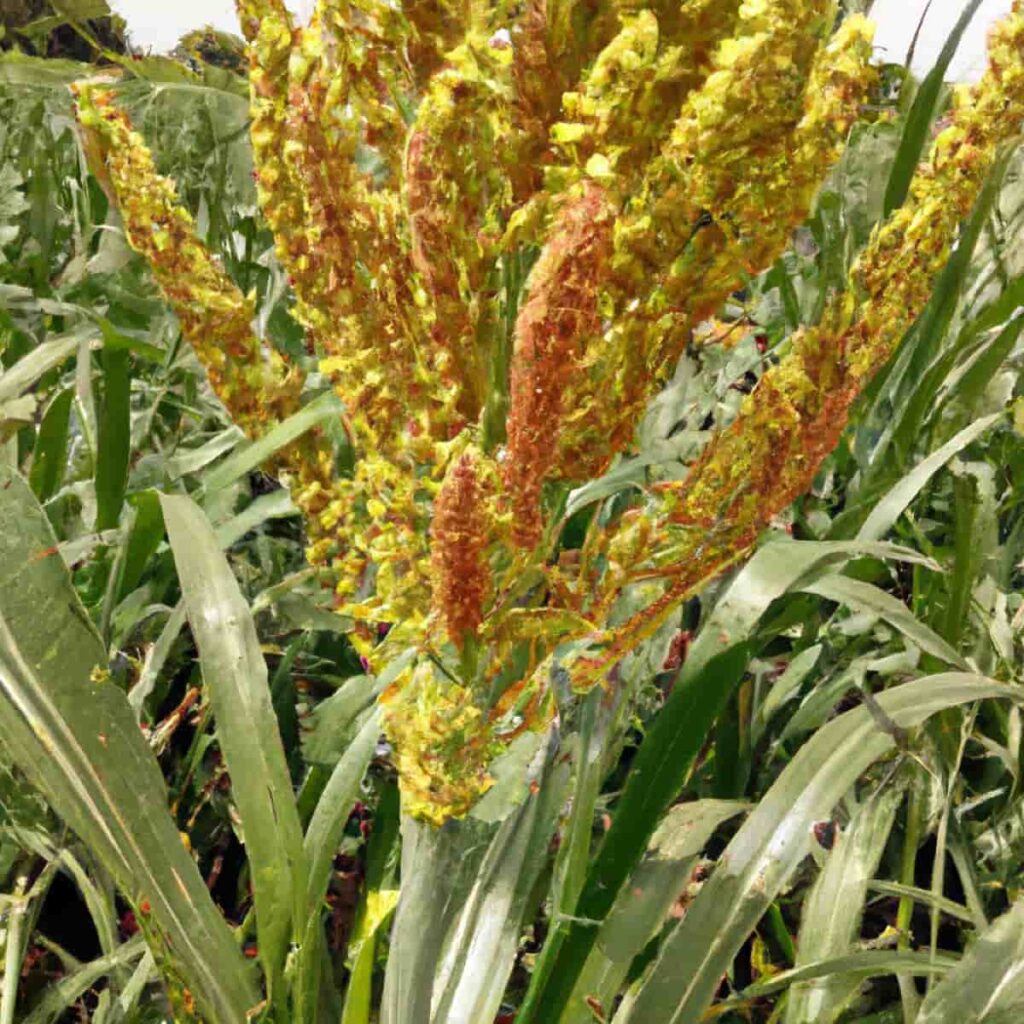
One of Kodo millet's key strengths is its adaptability to harsh environmental conditions. It can grow in regions with limited water supply, poor soil fertility, and extreme temperatures. Unlike other major crops that often require high-input agriculture (such as chemical fertilizers and pesticides), Kodo millet is relatively low-maintenance, contributing to eco-friendly and sustainable farming practices.
Role in Food Security and Climate Resilience
Given the increasing challenges of climate change, Kodo millet offers a viable solution for food security in vulnerable regions. Its drought tolerance makes it a crucial component of climate-resilient agricultural systems. By cultivating Kodo millet, farmers can diversify their crops and reduce dependence on water-intensive crops like rice and wheat.
Benefits of Kodo Cultivation

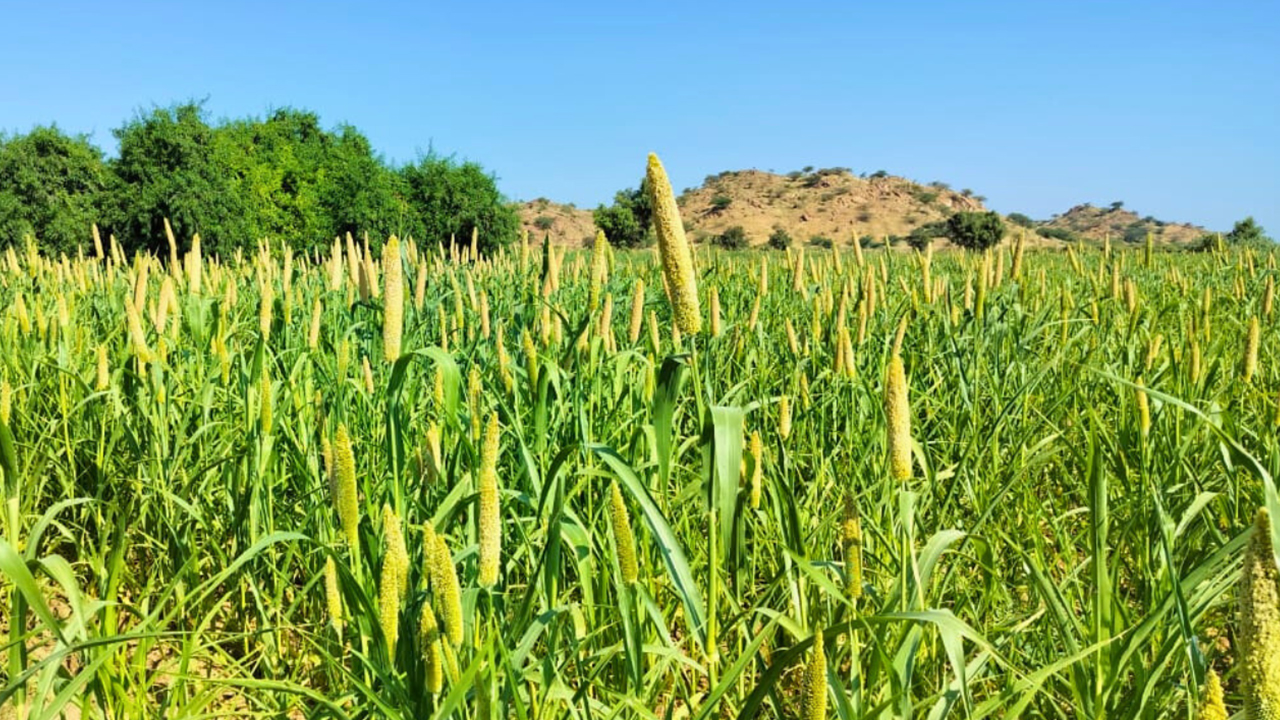
- Sustainable Farming Practices: Kodo millet’s low water and nutrient requirements make it an ideal crop for sustainable agriculture, reducing the environmental footprint.
- Biodiversity and Soil Health: Kodo millet enhances soil fertility by improving organic matter content and reducing the need for chemical inputs. Its deep root system helps prevent soil erosion.
- Economic Resilience for Farmers: Kodo millet requires fewer inputs and less labor, reducing production costs. Additionally, as demand for traditional and nutrient-rich crops grows, farmers cultivating Kodo millet can tap into niche markets, fetching better prices.
- Food Security and Nutrition: Kodo millet provides an alternative to staples like rice and wheat, improving dietary diversity and addressing malnutrition issues.
Challenges in Kodo Cultivation
)
While Kodo millet holds great potential, there are a few challenges that need to be addressed:
- Low Awareness and Demand: Many farmers are unaware of the benefits of Kodo millet, and there’s limited demand for this crop in mainstream markets.
- Lack of Infrastructure and Processing Units: Processing Kodo millet into value-added products like flour, snacks, and porridge requires appropriate infrastructure, which is often unavailable in rural areas.
- Policy and Financial Support: Government support, such as subsidies, technical guidance, and infrastructure development, is limited, making it difficult for farmers to invest in Kodo millet cultivation.
Promoting Kodo Cultivation
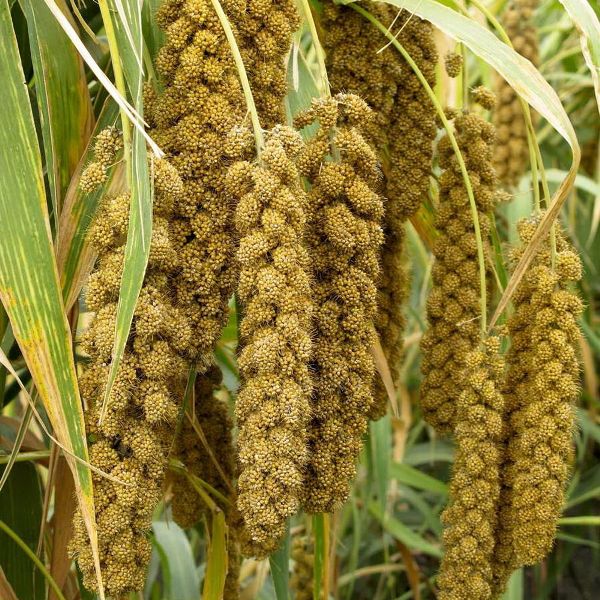
To overcome these challenges and promote Kodo millet cultivation, several steps need to be taken:
- Awareness and Farmer Training: Educating farmers about the benefits of Kodo millet and providing training on sustainable cultivation techniques will encourage adoption.
- Market Development: Establishing markets and value chains for Kodo millet products will help increase its demand and create economic opportunities for farmers.
- Government Support: Policies that incentivize Kodo millet cultivation, including financial assistance, subsidies, and infrastructure development, are essential to boost production.
- Research and Development: More research is required to improve high-yielding varieties, pest resistance, and post-harvest processing to enhance productivity and quality.
- Consumer Awareness: Educating consumers about the nutritional benefits of Kodo millet and promoting it as a healthy food option can drive demand in urban markets.


Comments
Post a Comment